


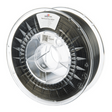
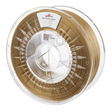
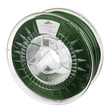
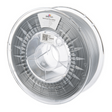
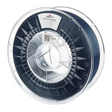
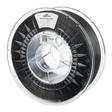
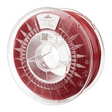
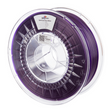
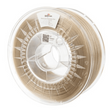
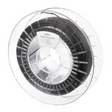
Product overview
Spectrum PLA Glitter turns the familiar ease of PLA into a sparkling, high-gloss material for display-led work. Glitter particles reduce the visibility of layer lines on side surfaces, so models look more finished straight from the printer. The blend also improves hardness and compression resistance compared with PLA without additives, while remaining user-friendly and easy to print.
What PLA Glitter brings to a project
- Distinctive surface: the glitter effect gives decorative and presentation parts a bright, polished appearance.
- Less visible layering: side surfaces show fewer obvious layer lines, helping detailed shapes present cleanly.
- Improved hardness: the particle blend increases hardness and compression resistance compared with unmodified PLA.
- Stable cooling: printed parts show no shrinkage after cooling.
- Accessible processing: the material is easy to print, and the glitter blend is non-abrasive.
Made for visual communication
Use PLA Glitter for interior design elements, advertising materials, educational projects and geometric presentation objects. It is also well matched to figurines, decorative models, display stands, holders, ornaments, and showroom or exhibition pieces. These are jobs where surface appearance and clear visual impact matter more than heavy mechanical duty.
The material gives design studios, marketing teams, schools and workshops a direct route to eye-catching parts without adding a demanding material workflow. That combination also suits shared printers used for changing presentation and teaching projects.
Choose it for the right load
The added hardness comes with greater brittleness. PLA Glitter is therefore better suited to visual and lightly loaded parts than components exposed to repeated impacts. This trade-off makes material selection clear: use its finish and compression resistance for display-led pieces, and choose a tougher material when sustained impact is the main requirement.
A practical finish for repeat work
Reduced layer visibility can shorten the path from printed part to display-ready object. For teams producing sets of signs, models or educational pieces, this helps keep the intended visual character consistent across repeated jobs while retaining the straightforward processing associated with the series.