




Product overview
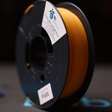
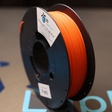
3DLabPrint PolyLight 1.0 LW PLA filament is an active-foaming material for parts where low weight matters. Heat activates expansion during extrusion, creating more printed volume while keeping parts light. In the 3DLabPrint range, PolyLight is the weight-saving option; PolyAir instead prioritises stiffness and impact resistance. Choose PolyLight for lightweight shells and models where reduced mass matters more than maximum rigidity.
Why choose PolyLight
Controlled foaming reduces part weight and makes efficient use of each spool. Strong inter-layer adhesion supports thin-wall geometry, while less visible layer lines and easy sanding simplify finishing. The filament arrives in a resealable bag, and its spool is made from recycled plastic waste.
Best applications
PolyLight is designed around lightweight RC aircraft and works particularly well for smaller models, tail sections, wing tips, control surfaces, hatches and scale details. Reducing mass in aircraft can lower wing loading, stall speed and impact energy. Saving weight in the tail also reduces the balancing mass needed at the front and improves weight distribution. The material can also suit cosplay wearables and other props where lower mass matters.
What to expect when printing
Foaming changes with hotend temperature and printing speed, so flow needs calibration for the required wall and stiffness. Start from the current 3DLabPrint PrusaSlicer profile where suitable. Single-pass or spiral-vase-style printing gives the cleanest results because it reduces travel moves. The material tends to ooze during travel, and aggressive retraction can increase the risk of clogs. Expect some stringing and optimise the seam accordingly.
Finishing and honest limits
Stray strings and small surface marks can be trimmed with a sharp knife and sanded. Printed parts are also easy to bond with cyanoacrylate adhesive. PolyLight is less stiff than standard PLA and has limited resistance to heat, so use it selectively for less-stressed parts rather than replacing a stiffer material throughout an aircraft. Its real advantage is deliberate weight reduction, not maximum structural strength.