


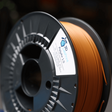
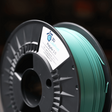
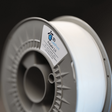
Product overview
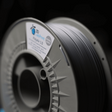
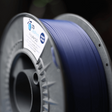
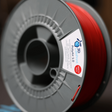
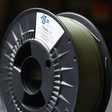
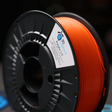
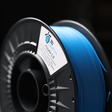
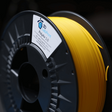
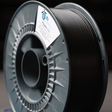
3DLabPrint PolyAir 1.0 filament is a PLA-based material developed for thin-wall RC aircraft. It combines strong layer adhesion with improved impact resistance, helping printed airframes withstand handling, assembly and flight use better than ordinary brittle PLA. It is a focused choice for professional model workshops, clubs and individual builders that need stiff aircraft parts without moving away from a familiar PLA-style printing workflow.
Purpose-built for thin aircraft structures
Thin aircraft shells depend directly on the bond between printed layers. PolyAir is optimised for single-wall layer adhesion, while its improved impact resistance supports a longer service life for printed RC planes. Stiffness comparable to regular PLA helps wings and stabilisers retain their shape under flight loads. Lower brittleness also makes trimming openings and fitting parts with a knife easier, with less risk of the material breaking during post-processing.
Recommended aircraft applications
Use PolyAir for thin-wall fuselage sections, wing shells, stabiliser structures and other airframe components where stiffness and joined-layer durability matter. It is equally relevant for complete model builds, replacement airframe sections and repeated workshop or club projects. Compared with regular PLA, it is easier to trim and more resistant to impact. Compared with more flexible materials, it better preserves the rigidity required by thin aerodynamic features.
A familiar printing approach
PolyAir handles in a PLA-like way, but the thin-wall aircraft application still requires careful process control. Treat a trusted PLA profile or compatible precompiled aircraft file as a starting point rather than a universal finished profile. Prioritise steady extrusion and strong layer bonding. Adjust material flow to balance shell strength against part weight, and keep the hot end clean and consistent. A clean, well-prepared build surface also helps narrow trailing edges remain secure during printing.
Storage and service limits
Keep opened filament dry and reseal it after use. If moisture contamination occurs, dry the material before printing again. Like standard PLA, finished PolyAir models are sensitive to high heat. Keep printed aircraft out of direct sunlight and hot enclosed spaces, especially parked vehicles, to reduce the risk of deformation.